
Ghosted by your own team: Why empty meetings are costing your business


Author: Bill Dellara,
Chief Product Officer,
VOSS Solutions
Tuesday September 22, 2026
Nobody decides to overpay for office space. It just accumulates; a hybrid policy that shifted without anyone updating the room plan, a floor that got booked out for a growth spurt that never quite arrived, a lease renewal that gets signed on gut feel because nobody has the data to argue otherwise. No single decision causes it. And because the cost shows up as square footage and facilities spend rather than a line item that someone reviews monthly, it tends to go unnoticed for a lot longer than it should.
The scale of the gap is bigger than most facilities and IT teams realize. Average meeting-room utilization across most portfolios sits around 38–40% of booked hours, well below the 60–80% range generally considered healthy. And on any given day, roughly three in ten booked rooms sit completely empty. Here are five signs that this gap is costing you; and what to do once you’ve found it.
Rooms booked but empty
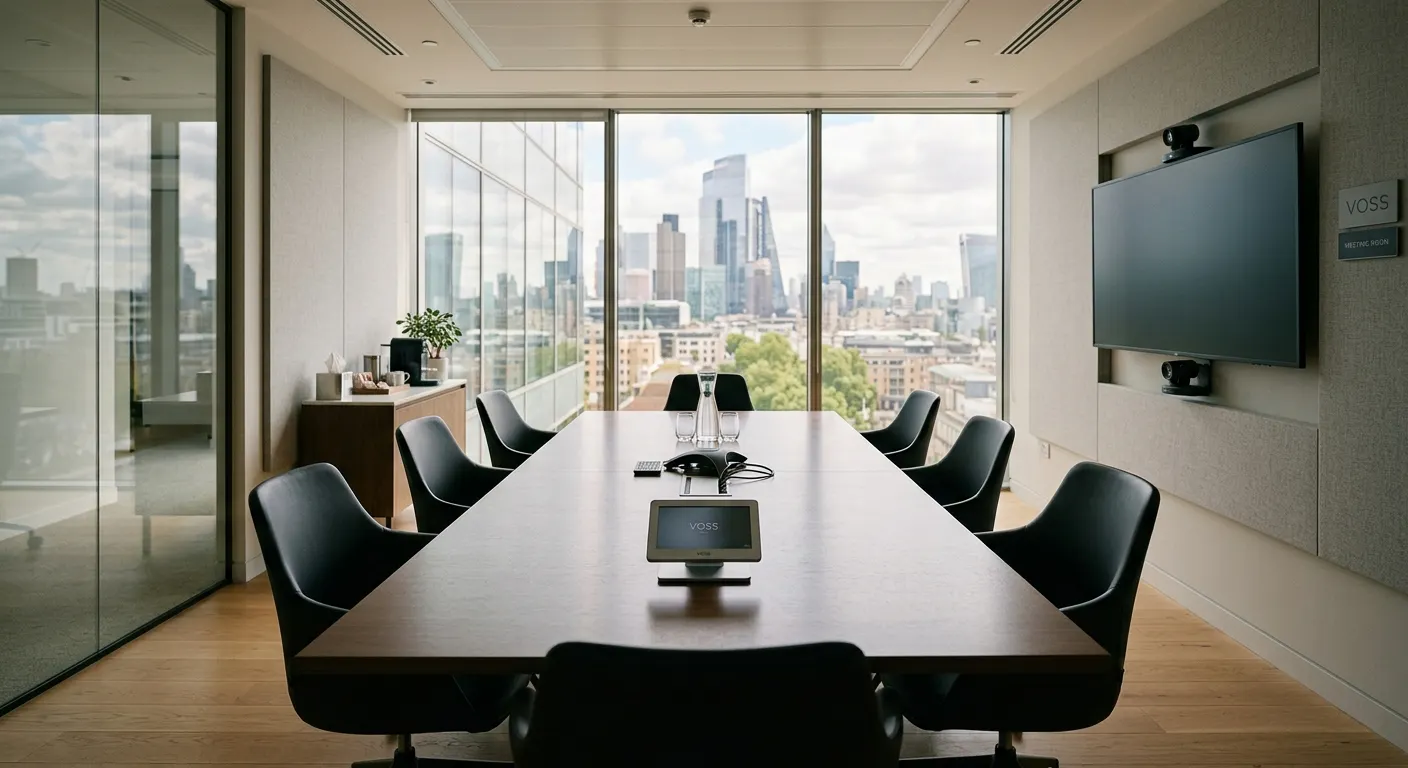
The calendar says the room is busy, but nobody is in it. This is the classic “ghost meeting” problem; a recurring booking that outlived the project it was created for, a meeting moved to a call at the last minute without cancelling the room, or simply someone hedging their bets by booking a room they might not need.
It’s usually the single biggest gap between what your booking system reports and what’s happening on your floors. And because, at a glance, booking data looks like utilization data, it’s the easiest one to miss entirely.
Check for: the difference between rooms booked and rooms with genuine occupancy check-in activity, tracked over time rather than a one-off count. A booking system alone will always overstate real usage.
The wrong room sizes for the meetings you hold
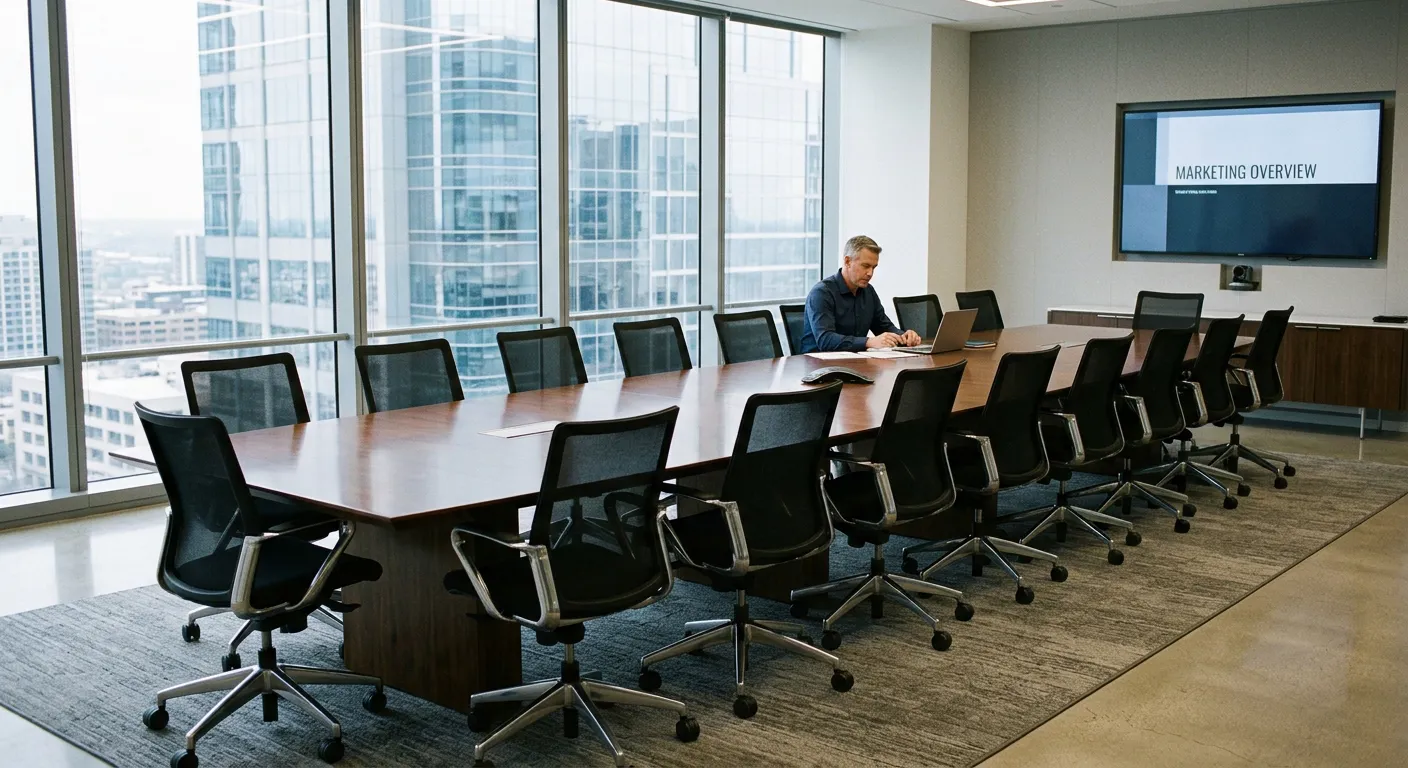
A 12-person room gets booked for a 2-person 1:1, because it was the only thing free. While down the hall, a team of eight crams into a 4-person room because nothing bigger was available. Neither is really a capacity problem. It’s a mismatch between the room sizes you built years ago, and the meeting patterns your organization has today.
Check for: average headcount per booking against room capacity, broken out by room. If your most-booked size category doesn’t match your most common meeting size, you’re paying to maintain the wrong mix.

No one owns room utilization data
The facilities team owns the lease; the IT team owns the AV and booking technology; and nobody owns whether the space between is being used well. It’s the same structural gap that shows up in licensing waste: the people close enough to see the problem (teams, floor managers) aren’t the people who see the cost, and the people who see the cost (facilities, finance) aren’t close enough to the day-to-day to know what’s really needed.
Check for: whether anyone in your organization can currently answer: “what’s our real utilization rate, this month, for this floor?” without commissioning a special study to find out. If the honest answer is no, this is worth fixing before the other four signs can be tracked on an ongoing basis.
Equipment issues nobody reports
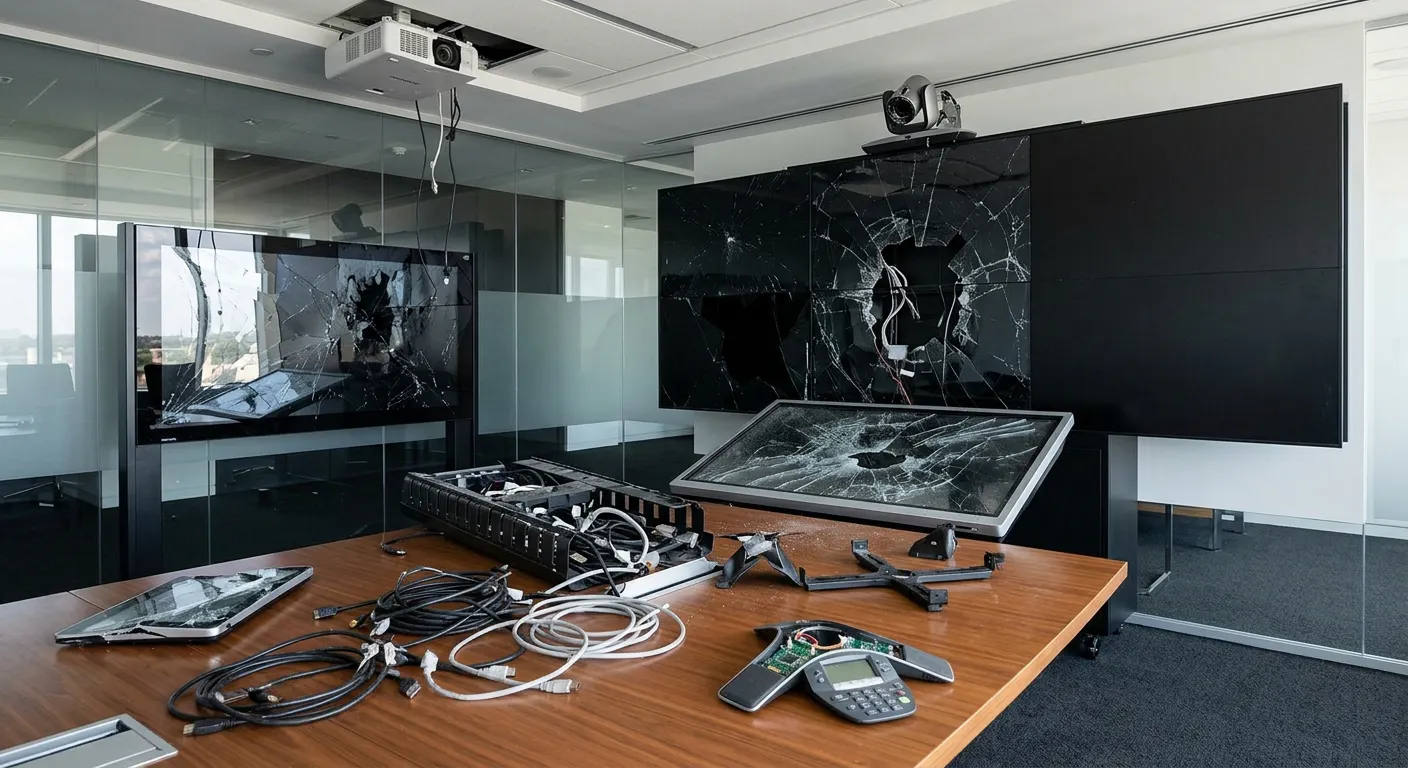
A room with a broken camera or a mic that cuts out quietly falls out of rotation. People stop booking it; word gets around informally, and it can sit unused and unreported for months, because there's no direct line from "this room doesn't work" back to whoever's responsible for fixing it. Meanwhile, that square footage is still being paid for.
Check for: rooms with a sharp, sustained drop in bookings that isn’t explained by a change in team location or headcount. That pattern is often a maintenance issue hiding as a demand issue.

You find out at lease renewal, not before
This is the sign that ties the other four together. If the first real look at how your space is being used happens when a lease renewal or consolidation decision is already on the table, the decision gets made on a headcount spreadsheet and a gut feeling; not on what’s actually happening on the ground.
By the time that conversation happens, months of ghost bookings, size mismatches, and unreported equipment issues have already shaped a picture nobody’s checked.
Check for: how you’d answer this question today: “if we had to decide next quarter whether to renew, downsize, or consolidate a floor, do we have the usage data to back that decision?” If pulling that together would take weeks rather than minutes, the real estate decision is being made blind.
What to do about it
As with licensing, this isn’t a one-off space study. It’s an ongoing process:

1. Audit
get real occupancy data, not booking data. The two tell very different stories, and only one of them reflects what’s actually happening in your rooms.

2. Assign ownership
someone needs to be accountable for utilization as an ongoing number, not just informed of it once a year when the facilities team commissions a review.

3. Automate the ongoing check
a single space study fixes this year’s picture. It doesn’t stop the gap reopening next quarter. The organizations that keep this under control treat utilization as something they monitor continuously, not something they investigate periodically.
For most portfolios, closing the gap between actual and “healthy” utilization isn’t a rounding error. It’s real, ongoing facilities expenditure that is tied to space that nobody is using. It’s worth having a real answer for, well before the next lease conversation lands on the table.
If you would like to see what real utilization looks like on your floors, explore how VOSS Meeting Room Management turns booking data into genuine occupancy insight, continuously, not just at renewal time. Or get in touch to start a discussion.
Keep up to date with our latest blogs and subscribe today